
AC and DC TIG welding
-228x228.png "Зварювальний апарат TIG-200P AC/DC (E101)")
-228x228.png "Зварювальний апарат TIG-200P AC/DC (E201)")
-228x228.png "Зварювальний апарат TIG-315P AC/DC (E103)")
-228x228.png "Зварювальний апарат TIG-315P AC/DC (E106)")
-228x228.png "Зварювальний апарат TIG-315P AC/DC (E202)")
-228x228.png "Зварювальний апарат TIG-500P AC/DC (E312)")
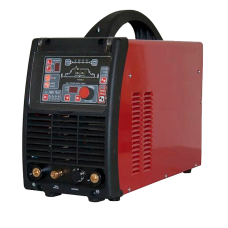
TIG AC/DC machines are versatile equipment capable of working with both alternating (AC) and direct current (DC), opening up a broad range of possibilities for precision welding of various metals. These devices are designed for complex industrial tasks requiring high-quality welds and precise process control.
Flexibility for Various Materials
With the option to switch between AC and DC modes, TIG AC/DC machines are ideal for welding aluminum, magnesium, stainless steel, and alloyed steel. The AC mode effectively handles aluminum and magnesium, ensuring a stable arc and quality joins without damaging surfaces. The DC mode, meanwhile, provides precise, clean welds on stainless and carbon steels.
Smooth Adjustment and Parameter Control
These machines provide precise adjustments of current and voltage, allowing welders to optimize settings for each specific material and thickness. A stable arc and low spatter levels make the process easier to control, reduce material waste, and enhance productivity by minimizing the need for additional weld finishing.
Energy Efficiency Savings
Modern inverter models in the TIG AC/DC range offer high energy efficiency. Consuming less electricity than transformer counterparts, they allow for significant savings on operational costs. Many models are also equipped with a pulse welding function, which enables even more precise heat control, reducing deformation risks and ensuring smooth, flawless welds on complex parts.
Advanced Temperature Control Features
State-of-the-art TIG AC/DC machines offer precise temperature regulation capabilities. Customizable preheat and postheat settings help reduce thermal stress in the material and prevent distortion. A smooth arc shutdown ensures high weld quality, reducing the need for touch-ups and enhancing overall efficiency.
Advantages for Production Processes
Using TIG AC/DC equipment in production is a reliable and flexible solution that meets high quality control standards for welding. Machines in this category allow for consistent weld quality, optimized production processes, and significantly reduced operating costs, making them especially valuable for facilities with intensive welding demands.